Plants & Moss
Best Moss for Terrariums: Live Moss Guide
Compare cushion, sheet, mood, sphagnum and other live terrarium mosses, plus how to choose, source and keep them healthy.
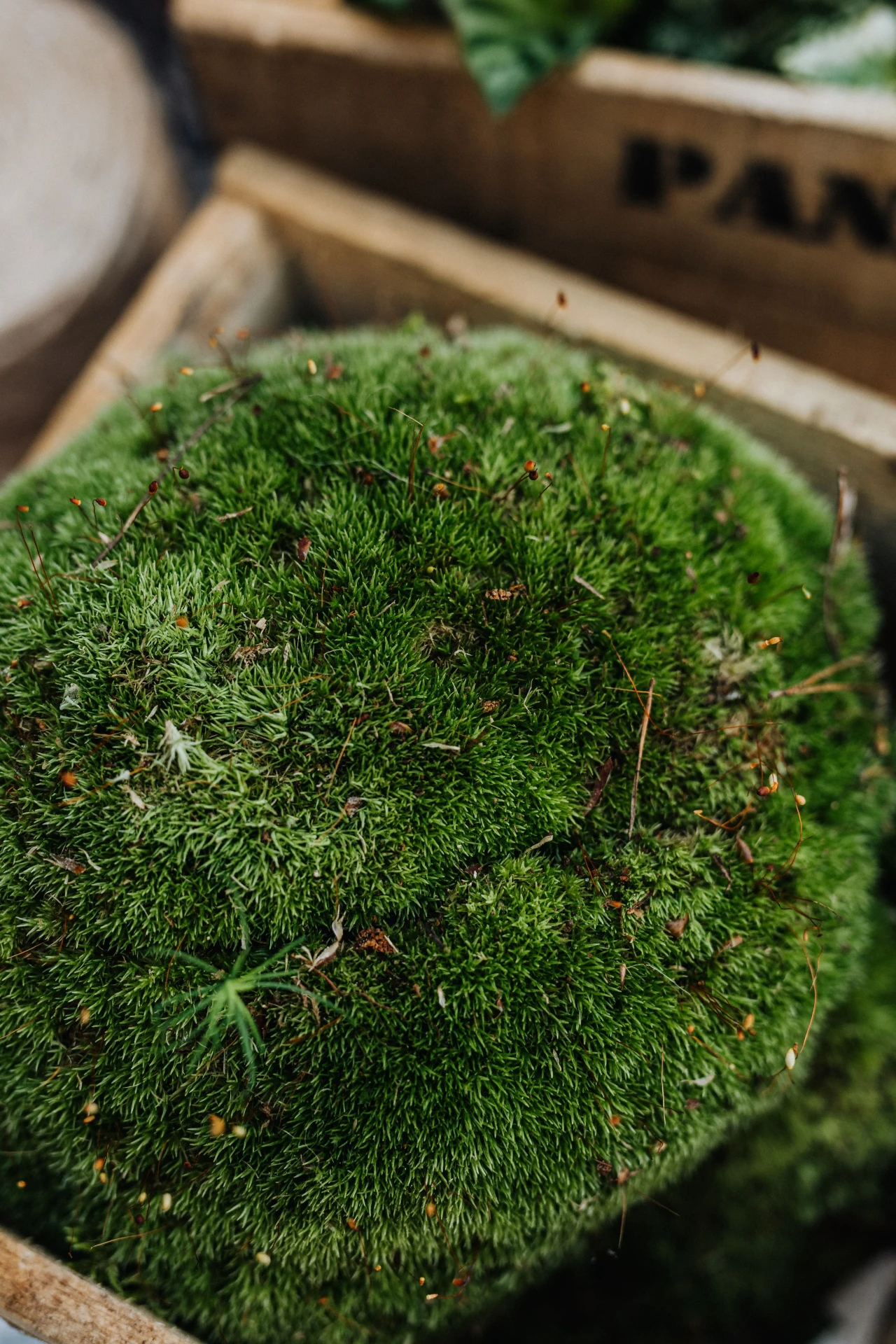
Moss can change a terrarium faster than almost any other plant. Bare substrate becomes a forest floor, stone looks older and a small mound begins to read as a hill.
But moss is not one plant. Some mosses form carpets, others grow in rounded cushions or shaggy tufts, and some products sold as moss are preserved decorations that will never grow.
The best choice therefore depends less on finding one universal winning species and more on choosing the right growth form for the landscape job.
Quick answer: what is the best moss for a terrarium?
- Cushion / pincushion moss for rounded sculptural mounds
- Sheet-style moss for broad low ground cover
- Mood-type moss for taller woodland texture
- Fern / feather-type moss for fine branching detail
- Haircap-type moss for upright miniature-forest structure
- Live sphagnum when moisture retention and planting function matter more than a neat carpet
For a first closed terrarium, live cushion moss or good live sheet-style moss are the simplest starting points.
Terrarium mosses at a glance
| Moss type | Growth style | Best visual use | Closed terrarium fit | Beginner rating |
|---|---|---|---|---|
| Cushion / pincushion | Rounded mounds | Hills and focal points | Excellent | 9/10 |
| Sheet-style | Flat carpet | Ground cover | Excellent | 9/10 |
| Mood | Tufted textured clumps | Woodland accents | Very good | 8/10 |
| Fern / feather | Fine branching mat | Forest-floor texture | Very good | 8/10 |
| Haircap-type | Upright shoots | Miniature forest | Good | 7/10 |
| Live sphagnum | Fibrous and moisture-retentive | Planting / moisture zones | Good–excellent | 8/10 |
| Preserved moss | No living growth | Decoration only | Not a living plant | N/A |
Why moss works so well in closed terrariums
Many mosses appreciate humidity, stable moisture, indirect light and reduced drying—the same broad conditions a closed tropical terrarium can provide.
Moss also stays close to the ground, which makes miniature landscapes feel more convincing than filling every space with large foliage.
Surface moss can help retain moisture and soften transitions around hardscape, but it is not a waterproof lid over the soil and does not justify excessive watering.
1. Cushion moss — best overall for miniature landscapes
Cushion or pincushion moss grows in dense rounded colonies rather than a perfectly flat lawn. Leucobryum glaucum is one species commonly sold in this form when the identification is reliable.
Use cushion moss beside stones, around wood, in the foreground or as isolated green islands where you want the landscape to rise.
Keep it humid and moist without leaving its base permanently submerged or waterlogged. Terrarium Atlas rating: 9/10.
2. Sheet-style moss — best for broad ground cover
Sheet moss is a broad retail term for mosses that form relatively low mats. Its job is usually horizontal coverage rather than sculptural height.
Use it as foreground carpet, beneath fern foliage, around larger plants, along slopes or where you want stone and substrate to blend more naturally.
Because retail identification varies, care can vary somewhat between products. Terrarium Atlas rating: 9/10.
3. Mood moss — best for woodland texture
Mood moss is another trade-style name and often refers to more upright, tufted growth. Dicranum-type mosses are commonly associated with this look.
Use it around wood, between rocks, behind flatter moss or on raised substrate where thicker woodland texture is useful. Terrarium Atlas rating: 8/10.
4. Fern or feather-type moss — best for fine texture
These mosses create branching patterns that resemble miniature fern fronds. They work well for fine forest-floor detail and softer transitions.
Because several species can be sold under broad trade names, buy according to credible identification and visible growth form rather than the common name alone. Terrarium Atlas rating: 8/10.
5. Haircap-type moss — best for vertical texture
Haircap-type mosses create more upright shoots, which can read as miniature grassland or tiny forest structure.
Use them selectively in the back, around rock formations or as a contrasting patch. Thick upright growth can overwhelm a tiny jar. Terrarium Atlas rating: 7/10.
6. Live sphagnum — best as a utility moss
Live sphagnum is particularly useful where moisture retention and planting function matter. It can work around humidity-loving planting pockets, hardscape, specialist substrate systems and moss-forward builds.
Do not buy long-fiber sphagnum assuming it is alive. Products labeled dried, preserved and live are not interchangeable when your goal is growth. Terrarium Atlas rating: 8/10.
Live moss vs. preserved moss
| Live moss | Preserved moss |
|---|---|
| Living plant material | Formerly living decorative material |
| Needs light and moisture | Does not perform normal living growth |
| Can grow, spread, decline or recover | Does not become a living carpet |
| Appropriate for a living terrarium | Better treated as decoration |
Terrarium Atlas does not recommend preserved, dried or dyed craft moss as the default inside a humid living closed terrarium.
Is reindeer moss actually moss?
Commercial reindeer moss is generally lichen rather than true moss, and preserved reindeer moss used in crafts is not equivalent to living terrarium moss.
Can you collect moss from outside?
Use moss only where collection is lawful and permitted. Moss from your own garden or another property where you have permission can be inspected and considered for use.
Check purchased moss before adding it
Live moss may contain leaves, soil, small insects and other biological debris. Inspect it, remove obvious debris, check for unwanted organisms and trim damaged sections before installation.
Avoid aggressively sterilizing living moss and then expecting it to behave as unchanged biological material.
How to place moss in a terrarium
True mosses anchor with rhizoids rather than conventional vascular roots. Prepare a moist surface, lay the moss directly against it, press gently for contact and allow time to establish.
Keep cushion moss's natural mound shape rather than flattening it merely to gain more coverage.
Can moss grow on rocks and wood?
Depending on species and conditions, moss can establish on soil surfaces, bark, rock and other moist supports. Vertical surfaces can require physical support and time before attachment becomes secure.
Does moss need soil?
Not in the same way a rooted vascular houseplant does. True mosses do not have conventional deep roots, but the surface still matters because it affects moisture, stability and establishment.
How much light does terrarium moss need?
Moss still needs light for photosynthesis. Bright indirect light is the safest general recommendation for a mixed closed terrarium.
Avoid hot direct sun through glass. Low-light tolerance does not mean a moss can thrive indefinitely in near-darkness.
How wet should terrarium moss be?
Think moist and humid rather than submerged. Even moisture-loving moss can decline when the surrounding system remains waterlogged.
Moss does not override the whole-terrarium watering framework.
Does moss need daily misting?
Not automatically. A balanced closed terrarium may already recycle enough water that daily misting simply pushes the system toward excess moisture.
Why is terrarium moss turning brown?
Possible causes include drying, excessive heat, direct sun, prolonged saturation, establishment stress, unsuitable species, mineral buildup or dead tissue.
Start with context: is it dry or soggy, hot or cool, newly installed or established, and is the rest of the terrarium healthy? Do not automatically add more water.
Moss color can change with hydration
Some cushion-type mosses can appear paler or more silvery when relatively dry and deepen in color after hydration. Pale does not automatically equal dead.
What if only the moss is dying?
If the foliage plants remain healthy and the overall system is stable, investigate the moss itself: species mismatch, poor initial condition, unsuitable placement, inadequate light, excess heat, poor contact or shipping damage.
Do not redesign an otherwise healthy terrarium around one failing moss patch.
What if moss is growing mold?
First determine what is actually molding. Fungal growth may be on dead moss, trapped leaf litter, wood underneath or other decaying material rather than healthy moss tissue itself.
Remove obvious dead material and diagnose the moisture/decay conditions rather than spraying fungicide reflexively.
Should you fertilize moss?
Usually not in a beginner closed terrarium. Slow growth is normal for many mosses, and additional fertilizer can complicate a small closed system.
Which moss is easiest for beginners?
Terrarium Atlas prioritizes cushion moss for easy sculptural placement and sheet-style moss for obvious carpet coverage.
You do not need six species in one jar. One or two contrasting forms usually create a cleaner landscape.
Best moss combinations
| Combination | Use |
|---|---|
| Cushion + sheet | Simple beginner combination: hills plus carpet |
| Mood + fern/feather | Woodland texture in a somewhat larger enclosure |
| Cushion + sheet + live sphagnum | Moss-forward build with sphagnum used functionally |
Match moss scale to the container
Large moss mounds can dominate a tiny jar. Miniature builds benefit from smaller cushion pieces, low carpet forms and negative space. Larger enclosures can support broader masses and multiple textures.
Moss should not cover everything
Leave some stone, bark, substrate and negative space visible. Moss looks more intentional when it guides the eye instead of wallpapering every surface.
Buying live moss: what to look for
- Clearly described as live, not preserved, dried or dyed
- Common name and scientific name when reliably known
- Useful quantity information
- Growth-form or environment information
- Responsible sourcing information
- Suitable handling and shipping expectations
What about aquarium stores?
Aquarium and terrarium specialists can be useful sources of live moss and related plants. However, an aquatic species that thrives submerged is not automatically the best beginner terrestrial terrarium moss.
Is Java moss good for terrariums?
Java moss is primarily known as an aquatic moss and can sometimes grow emersed under very humid conditions. Terrarium Atlas would not rank it above cushion or sheet-style moss for a standard beginner terrestrial build.
Moss vs. Selaginella
Selaginella is often called spike moss or club moss, but it is a vascular plant with true roots rather than a true moss. It can still be an excellent humidity-loving terrarium plant.
Moss vs. Irish moss
Retail names can be misleading. Plants sold as Irish moss or Scotch moss may be flowering vascular groundcovers rather than true mosses. When possible, check the botanical identity.
Best terrarium moss by goal
| Goal | Best choice |
|---|---|
| Miniature hills | Cushion moss |
| Broad green carpet | Sheet-style moss |
| Woodland texture | Mood moss |
| Fine branching detail | Fern / feather-type moss |
| Vertical shoots | Haircap-type moss |
| Moisture-oriented planting | Live sphagnum |
| First terrarium | Cushion or sheet moss |
| Tiny jar | Small cushion pieces / low sheet moss |
| Large naturalistic terrarium | Mix 2–3 growth forms |
| No-maintenance decoration | Preserved moss, but not as a living terrarium plant |
Terrarium Atlas verdict
For a beginner closed terrarium, cushion moss + sheet moss is the strongest simple combination. Cushion moss creates the hills; sheet moss creates the floor.
For a more complex woodland look, add a third form such as mood or feather moss. Choose each moss because it has a job in the landscape, not because a list told you to buy six varieties.
Frequently asked questions
- What is the best moss for a closed terrarium?
- Cushion moss and live sheet-style moss are excellent general choices. Cushion moss creates compact mounds, while sheet moss provides lower carpet-like coverage.
- Is cushion moss good for terrariums?
- Yes. Cushion moss is one of the strongest options because its compact rounded growth creates useful miniature-landscape structure.
- Is sheet moss good for terrariums?
- Yes. Live sheet-style moss works well as broad low ground cover around larger plants, rocks and wood.
- Can I use sphagnum moss in a terrarium?
- Yes. Fresh live sphagnum can work well in humid terrariums and is especially useful for moisture-oriented planting, though it does not always form a neat flat carpet.
- Can preserved moss grow in a terrarium?
- No. Preserved moss is decorative material rather than a normally living growing plant. Use genuinely live moss if you want growth.
- Can I collect moss from outside for a terrarium?
- Only collect where doing so is lawful and you have permission. Prefer reputable live-moss growers, terrarium or aquarium specialists, or permitted private-property sources.
- Does terrarium moss need soil?
- True moss does not need deep conventional soil like a rooted houseplant. Depending on species, it can grow on suitable moist substrate, bark or rock surfaces.
- Why is my terrarium moss turning brown?
- Possible causes include drying, excessive heat, direct sun, prolonged saturation, establishment stress or unsuitable moss. Diagnose the surrounding conditions before automatically adding water.
- Does moss need to be misted every day?
- No. A balanced closed terrarium may recycle enough moisture that daily misting creates excess water.
- Is Selaginella a moss?
- No. Selaginella is a vascular plant often called spike moss or club moss. It can be an excellent terrarium plant but is not a true moss.
Related guides
Plants & Moss
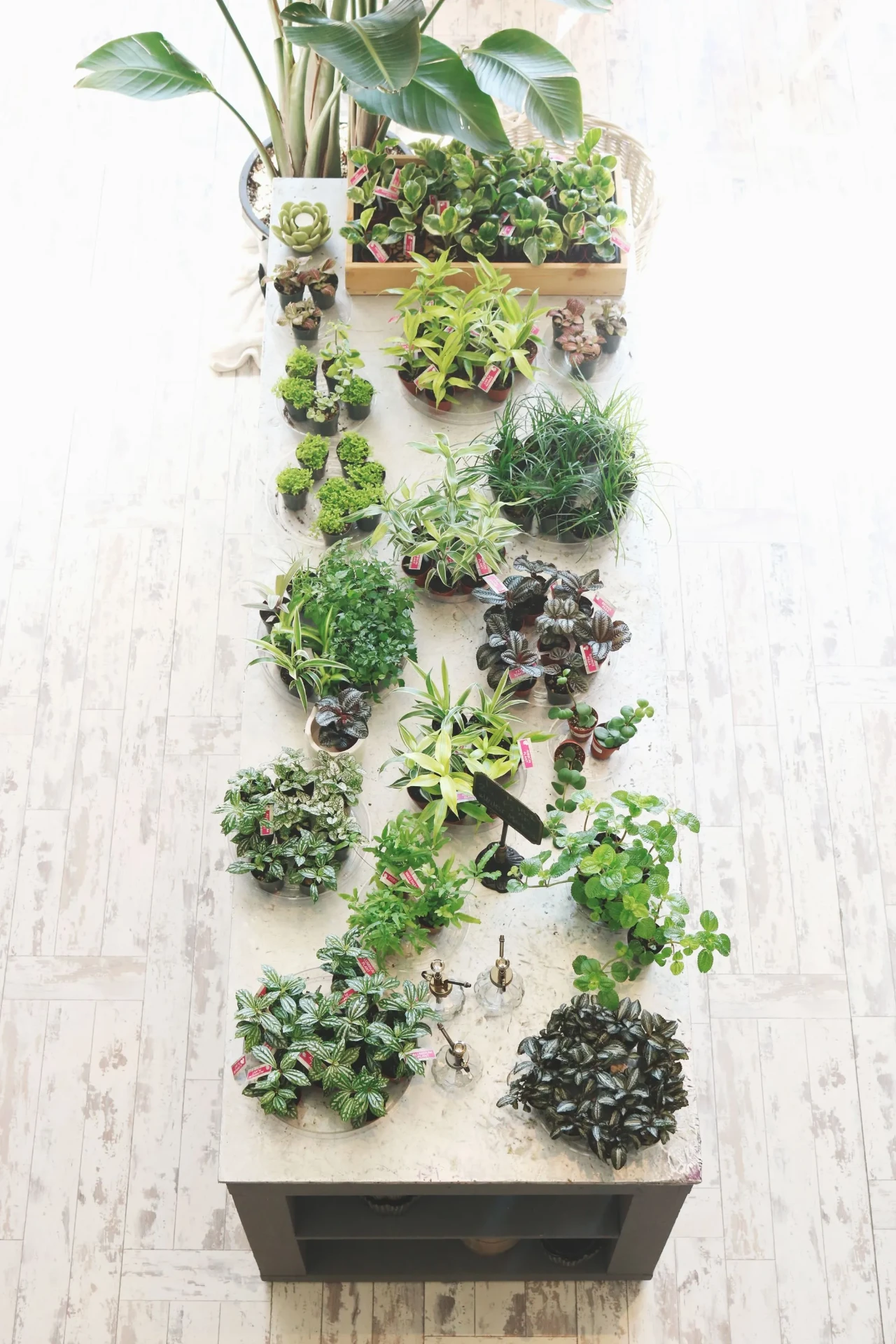
Best Plants for Closed Terrariums: 12 Beginner-Friendly Choices
The best closed-terrarium plants stay compact, tolerate high humidity and grow well in bright indirect light. Here are 12 beginner-friendly choices—and the plants you should keep out of a sealed jar.
11 min readpublished
Build & Substrate
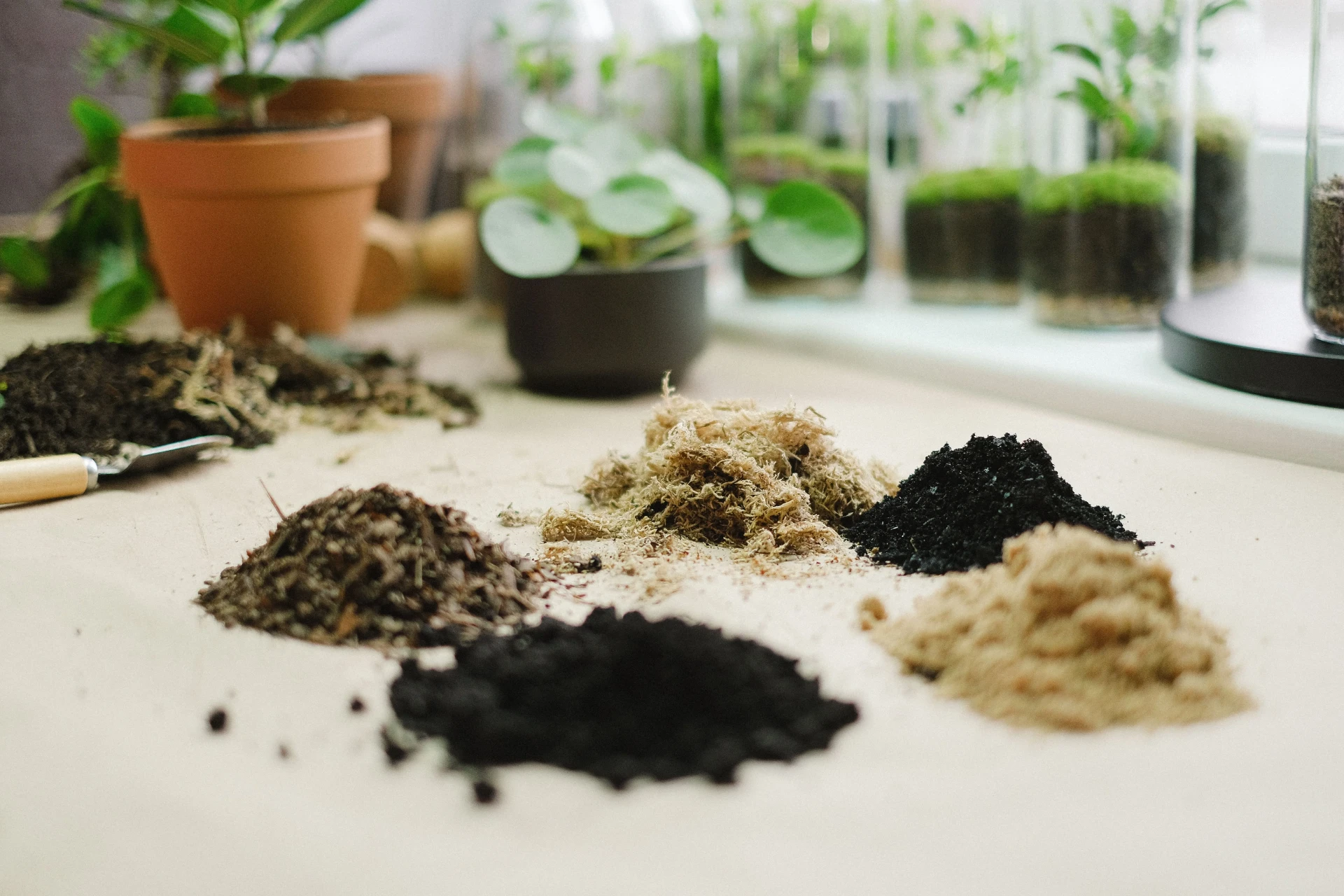
Best Terrarium Substrate Mix for Closed Terrariums
Learn what a closed-terrarium substrate actually needs to do, a simple beginner recipe, how ABG-style mixes work, and which ingredients are optional.
13 min readpublished
Care & Troubleshooting
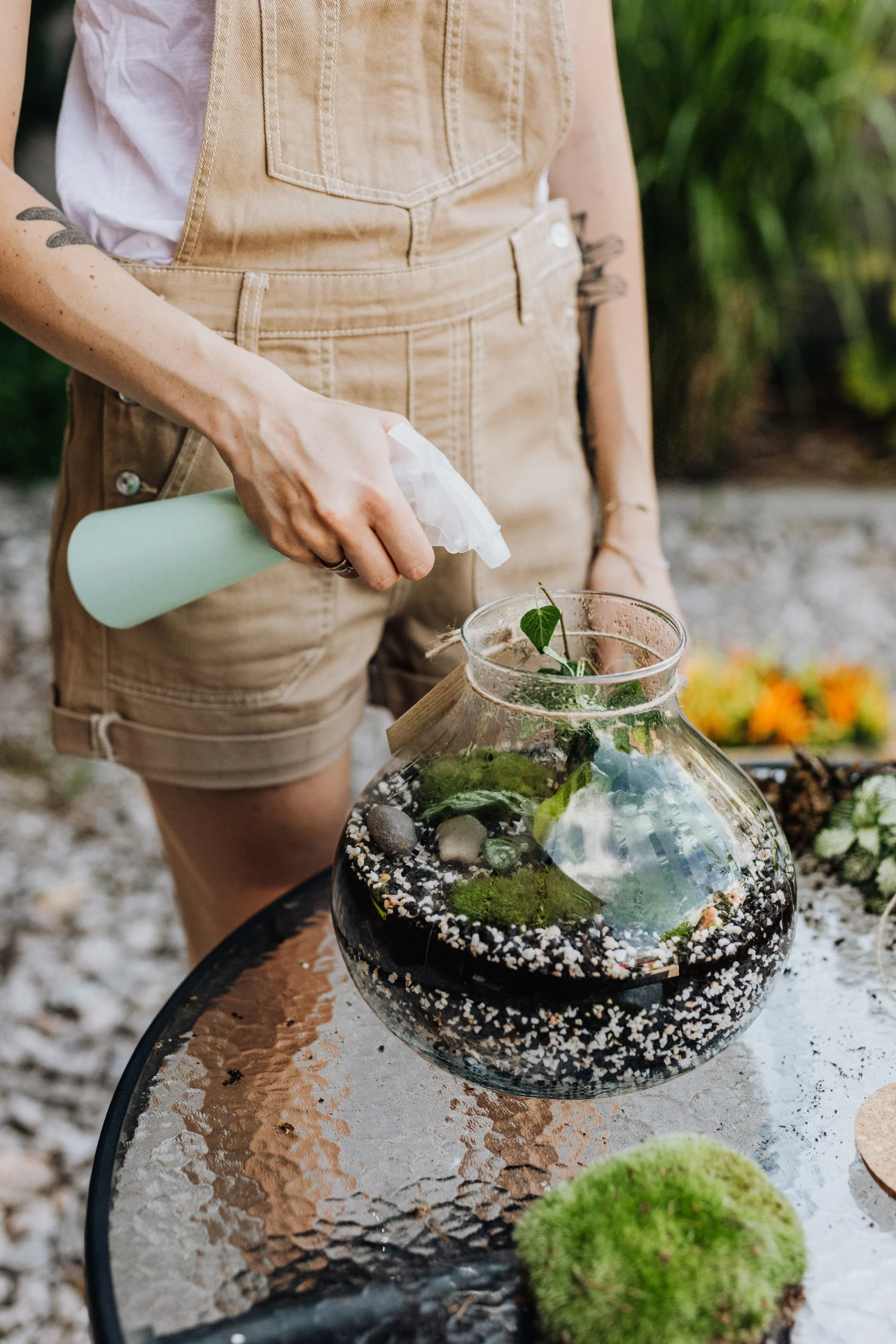
How Often Should You Water a Closed Terrarium?
A balanced closed terrarium may go months without added water. Learn how to read the glass, substrate, and plants so you water only when the system actually needs it.
11 min readpublished
Build Your First Terrarium With Confidence
Get the free Closed Terrarium Quick-Start Checklist.
Newsletter coming soon