Plants & Moss
Best Plants for Closed Terrariums: 12 Beginner-Friendly Choices
The best closed-terrarium plants stay compact, tolerate high humidity and grow well in bright indirect light. Here are 12 beginner-friendly choices—and the plants you should keep out of a sealed jar.
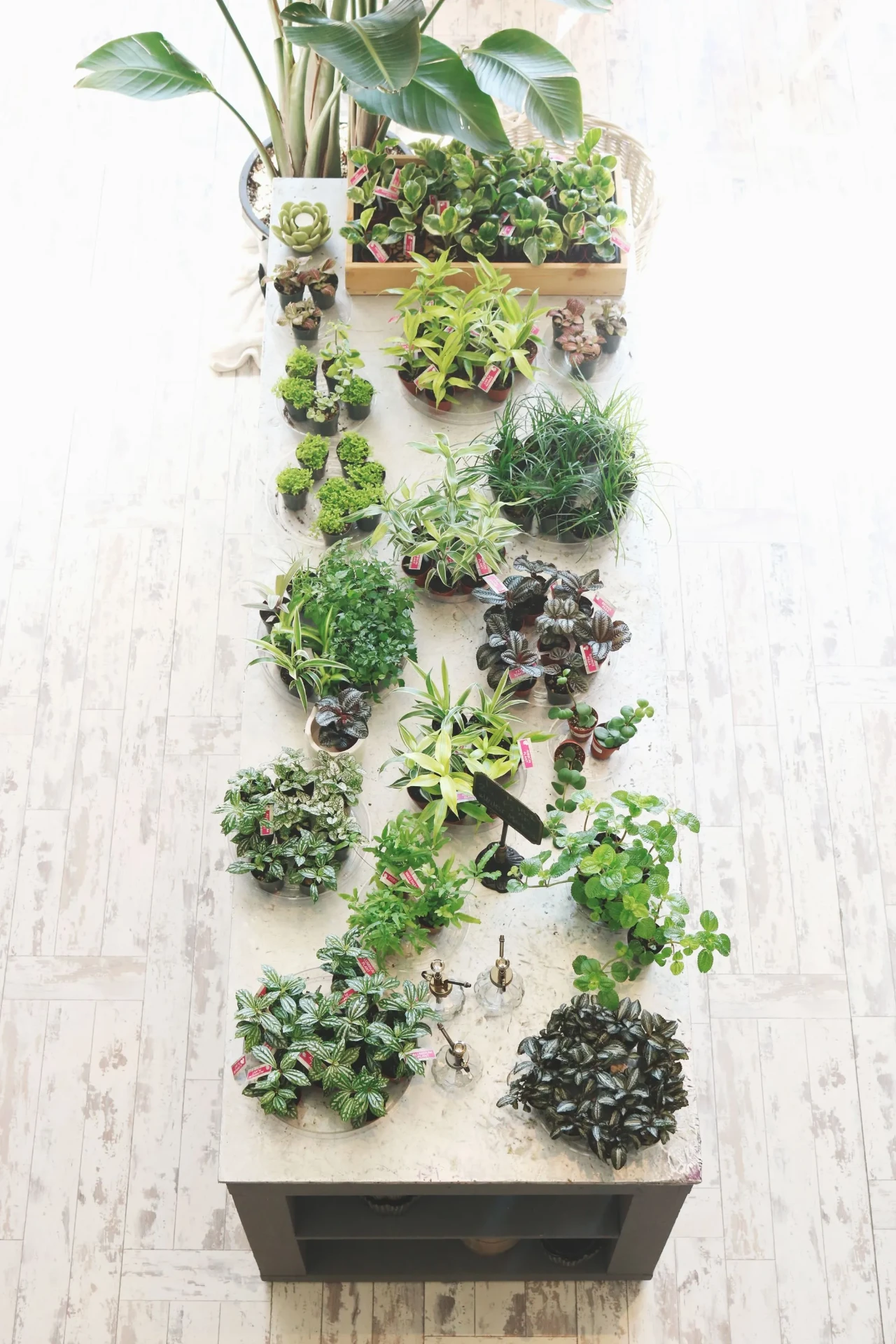
Choosing the plants is one of the most important decisions you will make when building a closed terrarium. A beautiful container and carefully arranged layers cannot compensate for species that dislike the environment inside the glass.
Closed terrariums tend to stay humid, retain moisture and receive indirect rather than intense sunlight. That makes them especially suitable for small tropical foliage plants, miniature ferns and live mosses.
For most beginners, Fittonia is Terrarium Atlas's best overall choice because it stays relatively compact, appreciates humidity and provides a wide range of foliage colors. But it is far from the only good option.
Quick answer: the 12 best plants for closed terrariums
| Plant | Best role | Beginner rating | Growth habit |
|---|---|---|---|
| Fittonia | Best overall | 10/10 | Low and spreading |
| Peperomia caperata | Textured foliage | 9/10 | Compact mound |
| Small Pilea varieties | Texture and contrast | 9/10 | Compact / spreading |
| Hypoestes | Color | 8/10 | Upright foliage |
| Selaginella | Forest-floor effect | 8/10 | Spreading ground cover |
| Button fern | Fern texture | 8/10 | Compact fern |
| Lemon button fern | Small fern | 8/10 | Arching fern |
| Small maidenhair fern | Delicate foliage | 7/10 | Fine upright fern |
| Baby's tears | Ground cover | 7/10 | Fast-spreading carpet |
| Creeping fig | Trailing / climbing | 6/10 | Vigorous vine |
| Live cushion moss | Mounded ground cover | 9/10 | Slow moss |
| Live sheet moss | Carpet | 9/10 | Low spreading moss |
You do not need all 12. Most beginner terrariums look better with only three to five carefully selected plant types that share similar growing requirements.
What makes a plant suitable for a closed terrarium?
The strongest candidates share four traits: they tolerate high humidity, prefer reasonably consistent moisture, stay compact enough for the container and grow well in bright indirect light.
Compatibility matters more than novelty. A group of beautiful plants with conflicting water, humidity or light requirements is harder to manage than a simpler group whose needs overlap.
1. Fittonia — best overall
Fittonia is one of the easiest closed-terrarium plants to recommend. It enjoys humidity, remains relatively compact and provides strong color without requiring flowers.
Its spreading habit also works well at the front or middle of a small landscape. Keep the root zone moist rather than saturated and avoid direct sun through the glass.
2. Peperomia caperata — best textured foliage
Small Peperomia caperata cultivars add puckered, sculptural foliage while staying more manageable than many ordinary houseplants.
They appreciate humidity but should not sit in a dense, permanently waterlogged root zone. This is a good example of why humidity and saturated soil are not the same thing.
3. Small Pilea varieties
Compact Pilea varieties bring small leaves and quick visual texture. Choose genuinely small forms and check expected mature size before planting.
4. Hypoestes
Hypoestes, or polka dot plant, provides pink, red or white-speckled foliage and generally appreciates the humidity found in a closed terrarium.
It can grow more upright and quickly than Fittonia, so occasional pruning may be needed to keep the planting in scale.
5. Selaginella
Selaginella creates a lush forest-floor effect and is well suited to humid terrarium conditions. Despite names such as spike moss or club moss, Selaginella is a vascular plant rather than a true moss.
6. Button fern
Compact button-type ferns bring recognizable fern structure without immediately overwhelming a small enclosure. Use smaller specimens and allow enough room for fronds to open without pressing constantly against the glass.
7. Lemon button fern
Lemon button fern is another useful compact option for humid planted terrariums. Its arching fronds add vertical texture while remaining easier to scale than large houseplant ferns.
8. Small maidenhair fern
Maidenhair ferns are visually delicate and appreciate humidity, but they can be less forgiving of moisture or environmental swings. They are better treated as an intermediate choice than the first plant a beginner buys.
9. Baby's tears
Baby's tears can create a dense low carpet quickly. That speed is both its strength and its drawback: it may need trimming so it does not smother neighboring plants or erase the scale of the design.
10. Creeping fig
Creeping fig can trail over wood, climb surfaces and create an established look, but its vigor makes it less beginner-friendly in small containers. Use it where regular pruning is acceptable.
11. Live cushion moss
Cushion moss creates compact rounded mounds that read as miniature hills. It is excellent for creating scale around stone, wood and compact foliage plants.
12. Live sheet moss
Live sheet-style moss provides lower, broader ground cover. It works particularly well for connecting larger plants and hiding exposed substrate without creating the same vertical volume as cushion moss.
Plants to avoid in a closed terrarium
Cacti and most succulents are poor choices for sealed humid terrariums. Their preferred dry, airy strategy conflicts with the consistently humid environment of a closed jar.
Also avoid plants that rapidly outgrow the container, require intense direct sun or have moisture requirements that conflict strongly with the rest of the planting.
Match plants by care requirements, not just appearance
A successful combination should agree reasonably well on humidity, root-zone moisture, light and temperature. If one plant wants a saturated tropical floor while another wants to dry thoroughly between waterings, the glass container cannot provide both conditions easily.
An easy beginner plant combination
A simple first planting is Fittonia + a small Peperomia or Pilea + live moss. This gives you foliage color, contrasting texture and ground cover without requiring a crowded plant collection.
Leave room for growth
Do not fill every visible gap on day one. Choose plants based on their mature size and growth habit, then leave enough room for new leaves, roots and pruning access.
The best plants match the environment
The best closed-terrarium plants are not simply the smallest plants on the nursery shelf. They are plants whose natural preferences fit the humid, moist and indirectly lit environment inside the glass.
For beginners, start with compact tropical foliage such as Fittonia, small Peperomia or Pilea, compact ferns, Selaginella and live moss. Avoid cacti, most succulents and plants that quickly outgrow the container.
Frequently asked questions
- What are the best plants for a closed terrarium?
- Strong beginner choices include Fittonia, small Peperomia and Pilea varieties, compact ferns, Selaginella and live moss because they suit humid conditions and bright indirect light.
- Is Fittonia good for a closed terrarium?
- Yes. Fittonia is Terrarium Atlas's best overall beginner choice because it stays relatively compact, enjoys humidity and provides strong foliage color.
- Can I put succulents in a closed terrarium?
- Most cacti and succulents are poor choices for sealed terrariums because they prefer a much drier growing strategy than the humid environment inside a closed container.
- Are ferns good for closed terrariums?
- Compact humidity-loving ferns can work very well. Choose smaller species or cultivars and leave enough space for mature fronds.
- Are Peperomia good terrarium plants?
- Small Peperomia varieties can be excellent because they offer compact textured foliage. Avoid keeping their root zone permanently saturated.
- How many plants should I put in a terrarium?
- There is no fixed number. Most beginner terrariums look and grow better with a few compatible plants and room for growth rather than being packed full on day one.
- Is live moss good for closed terrariums?
- Yes. Live moss is well suited to humid closed terrariums and can provide either rounded mounds or broad ground cover depending on the moss type.
Related guides
Terrarium Basics
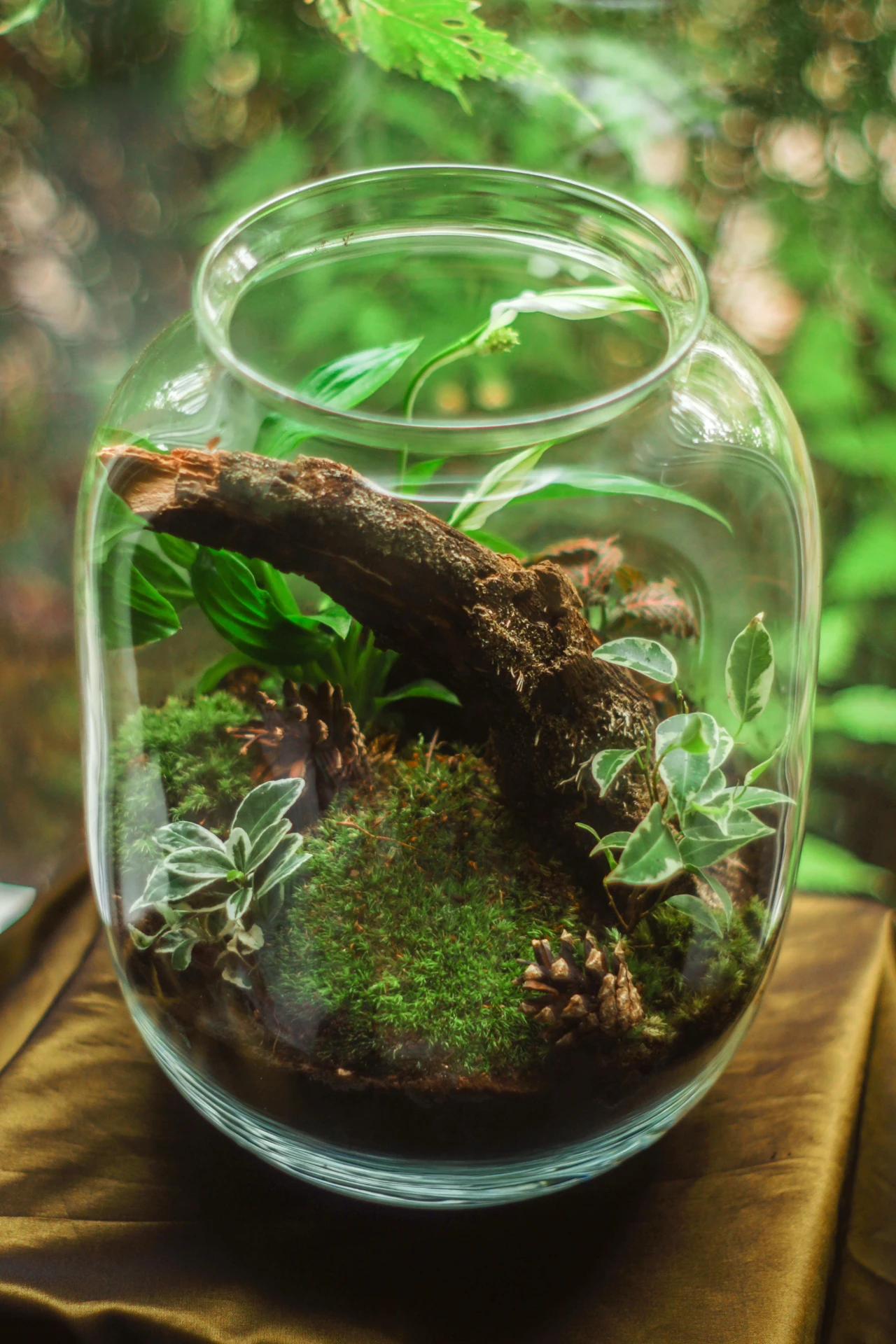
How to Make a Closed Terrarium: Beginner's Complete Guide
A full walkthrough of building your first sealed terrarium, from container choice to the first weeks of settling in.
14 min readpublished
Plants & Moss
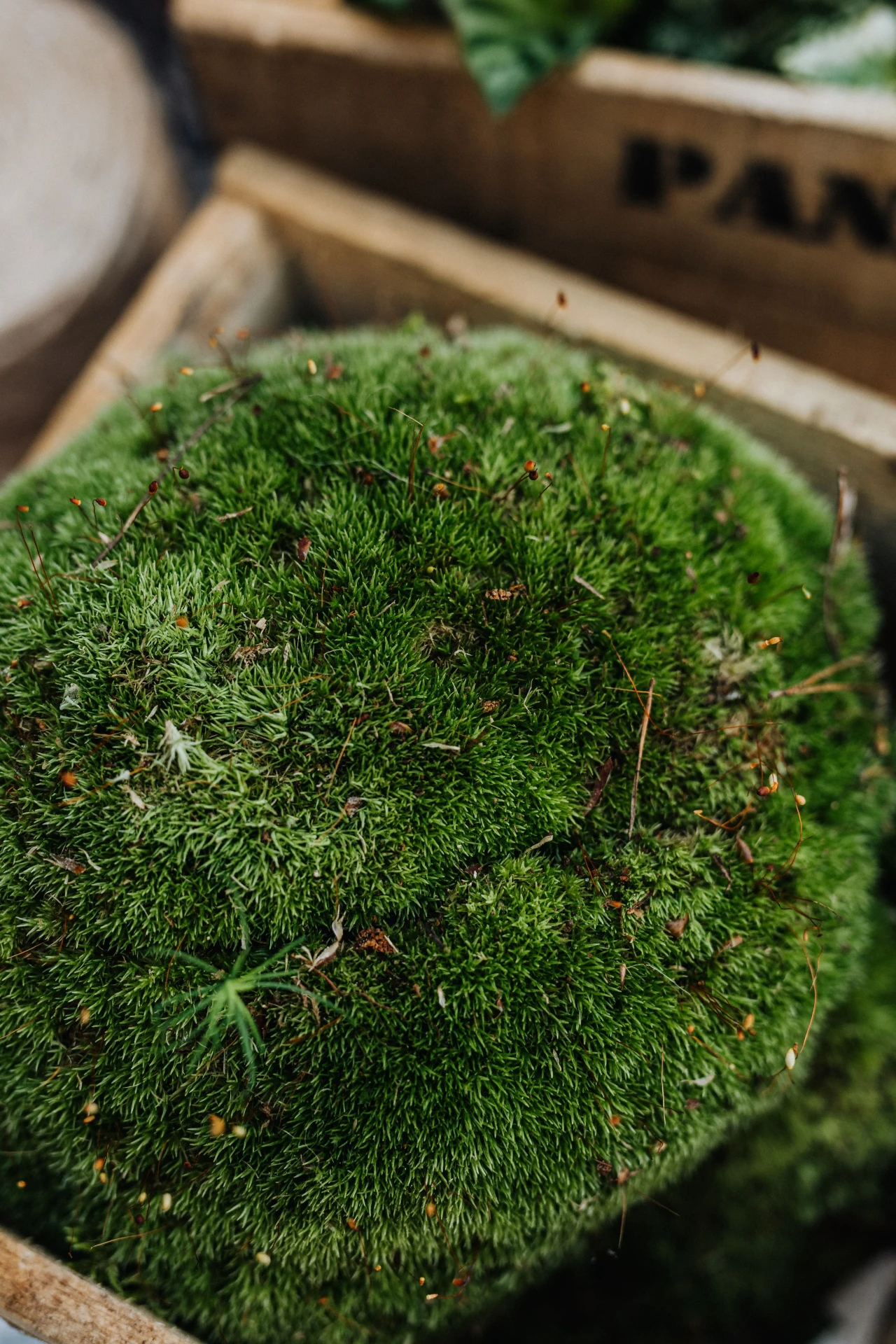
Best Moss for Terrariums: Live Moss Guide
Compare cushion, sheet, mood, sphagnum and other live terrarium mosses, plus how to choose, source and keep them healthy.
12 min readpublished
Care & Troubleshooting
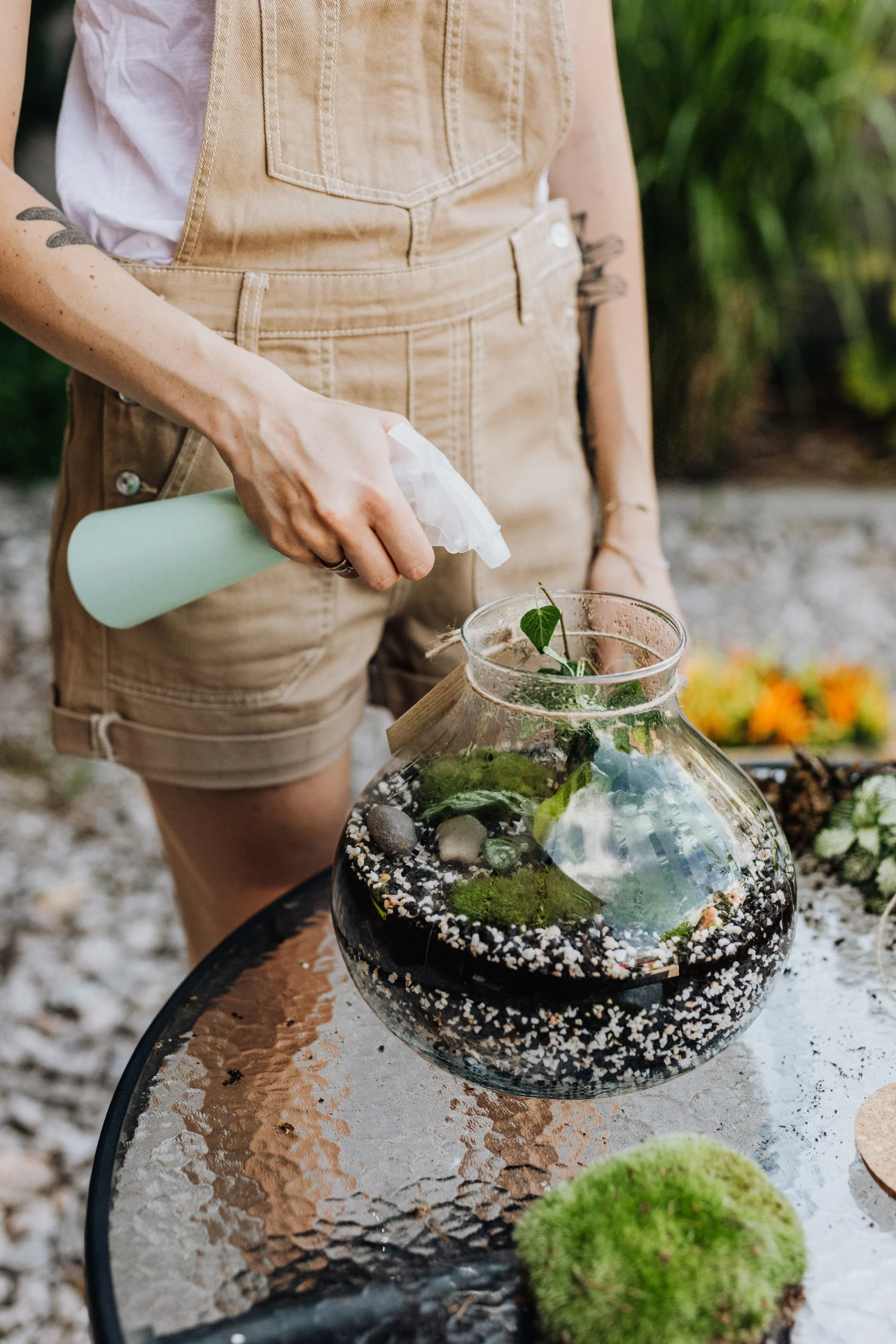
How Often Should You Water a Closed Terrarium?
A balanced closed terrarium may go months without added water. Learn how to read the glass, substrate, and plants so you water only when the system actually needs it.
11 min readpublished
Build Your First Terrarium With Confidence
Get the free Closed Terrarium Quick-Start Checklist.
Newsletter coming soon