Build & Substrate
Do Terrariums Really Need Activated Charcoal?
Activated charcoal has real filtering properties, but that does not make it essential. Learn what charcoal can help with, what it cannot fix, and when you can skip it.
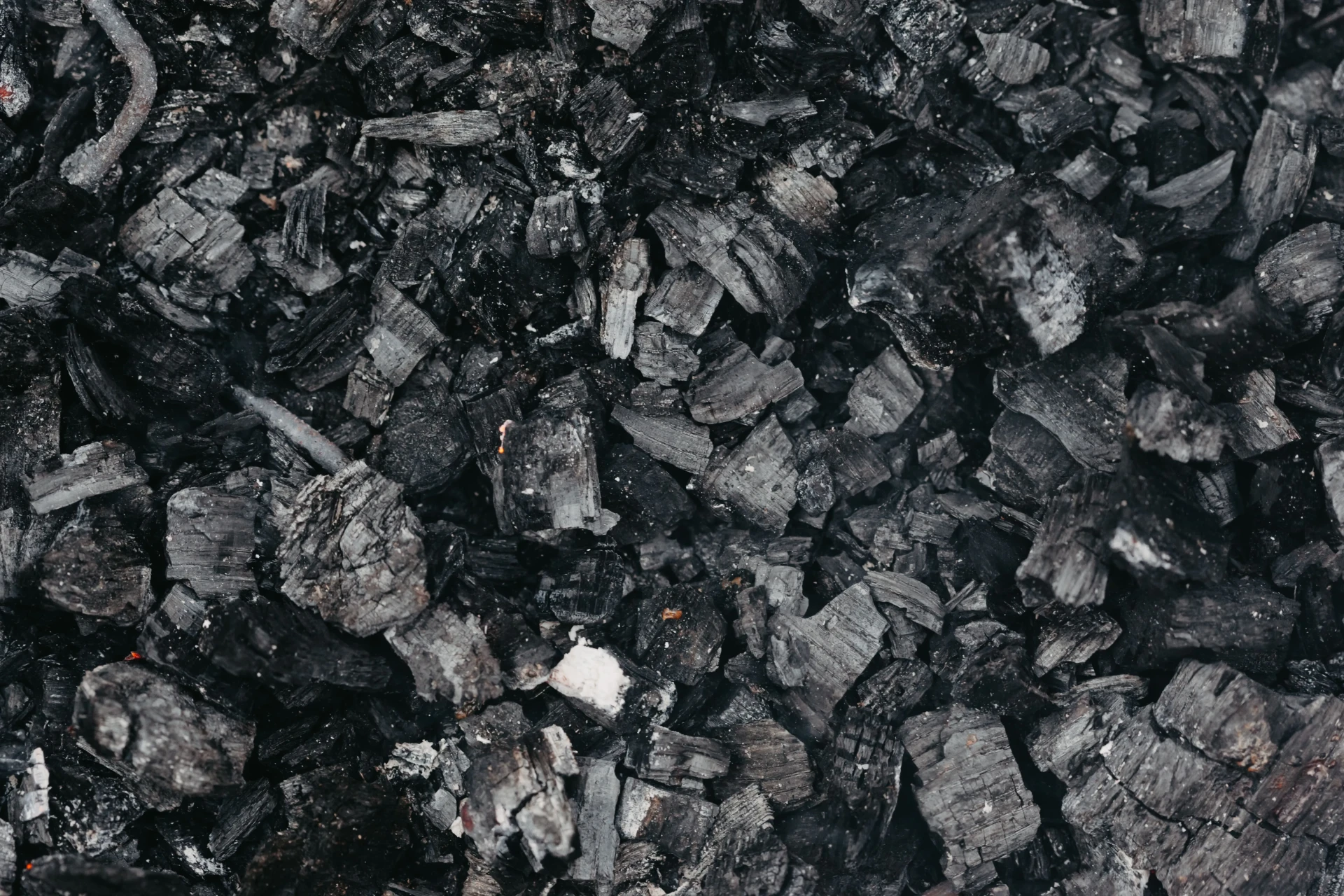
Activated charcoal has one of the strangest reputations in terrarium building. Depending on the guide, it is either the invisible filtration system keeping the whole ecosystem alive or expensive black gravel doing almost nothing.
Reality is less dramatic. Activated charcoal has genuine adsorptive properties, but those properties do not make it essential to every terrarium and do not make it a cure for the problems that cause most terrariums to decline.
What does activated charcoal actually do?
Activated charcoal is porous carbon processed to create a very large internal surface area. Compounds can attach to that surface through adsorption.
Activated carbon is widely used in real filtration systems because various organic and odor-producing compounds can adsorb to its surface. That gives the charcoal idea a legitimate scientific mechanism.
Why do traditional terrarium guides recommend charcoal?
A closed terrarium recirculates water and has limited air exchange. Organic material also decomposes inside the enclosure, so passive adsorption and odor buffering are reasonable reasons to include a small amount of clean charcoal.
Several university extension terrarium instructions continue to include horticultural or activated charcoal. That guidance should not be dismissed simply because some hobby builds omit it.
Activated charcoal has a limit
Carbon does not adsorb compounds forever. Available surface sites eventually become occupied, so activated-carbon systems have finite capacity.
Engineered filters can replace or regenerate exhausted carbon. A charcoal layer buried in a finished terrarium normally receives no such servicing. It should therefore be treated as a limited passive buffer, not a permanent purifier.
Does activated charcoal purify terrarium water?
Purify is too broad. Activated carbon can adsorb particular compounds, but performance depends on the carbon, the compound, concentration, contact and remaining adsorption capacity.
Water inside a terrarium is also not being forced through a carefully engineered carbon filter bed. Charcoal may provide passive filtering value, but it does not continuously purify the entire ecosystem.
Does charcoal prevent bad smells?
It may help with some odor-producing compounds, which is one of the stronger traditional arguments for charcoal.
If a terrarium smells rotten, however, inspect for dead leaves, rotten roots, soft stems, standing water and decomposing material. Charcoal may reduce an odor; it does not make the source of decomposition healthy.
Does charcoal prevent mold?
No. Activated charcoal is not a fungicide. A terrarium with charcoal can still develop mold when moisture, available organic material and decay create favorable conditions.
If visible fungal growth appears, diagnose what is growing, where it is spreading and whether plant tissue is being damaged rather than adding another charcoal layer.
Does charcoal prevent root rot?
No. Charcoal does not make saturated roots safe. A waterlogged, structurally degraded root zone can still fail regardless of black carbon elsewhere in the container.
Does charcoal protect against overwatering?
No. Activated charcoal does not remove excess water from a sealed jar. The root zone can still become saturated and a lower reservoir can still fill.
Horticultural charcoal vs. activated charcoal
Horticultural charcoal generally consists of clean carbonized material sold for plant use. Activated charcoal or activated carbon has undergone additional processing intended to increase pore structure and available surface area.
Either type appears in reputable terrarium guidance. When adsorption itself is the goal, activated carbon has the clearer technical advantage, but the product should still be appropriate for horticultural use.
Can aquarium activated carbon be used?
Suitable plain aquarium-grade activated carbon can be used. Confirm that it is ordinary activated carbon without unnecessary additives and rinse excess dust when appropriate.
Can you use barbecue charcoal?
Terrarium Atlas does not recommend barbecue briquettes as the default substitute. Fuel products can contain binders, ignition additives or fillers that have no useful role in a planted root environment.
Known horticultural or suitable aquarium-grade material introduces fewer unnecessary uncertainties.
Where does charcoal go?
Traditional builds often place a thin charcoal layer above the reservoir and below the growing medium. Other current guidance mixes a small amount into the substrate.
That variation is useful evidence that charcoal does not require one sacred visual position to offer any possible benefit.
How much activated charcoal should you use?
There is no reason to devote a thick black band to charcoal. Existing terrarium methods commonly use only a thin layer and recommendations vary.
More charcoal consumes planting space and cost without solving waterlogging, poor light or incompatible plants.
Can you build a closed terrarium without charcoal?
Yes. Charcoal appears in respectable build instructions, which supports its use, but there is no strong basis for saying a no-charcoal terrarium is automatically doomed.
- Appropriate plants
- Suitable substrate
- Conservative water
- Appropriate indirect light
- Removal of significant dead material
- Stable moisture balance
Those fundamentals deserve more attention than an optional carbon layer.
When charcoal is worth including
- You already own suitable charcoal
- The incremental cost and space are small
- You want an additional passive adsorptive buffer
- You want to follow a traditional extension-style build
- Odor buffering is useful to you
- Your premade substrate already contains appropriate charcoal
When skipping charcoal is reasonable
- The jar is tiny and every layer uses valuable space
- You do not already own charcoal
- You are simplifying a beginner build
- The substrate already contains charcoal
- You are trying to correct an existing mold or moisture problem
What matters more than charcoal?
| Priority | Why |
|---|---|
| Compatible plants | The species must actually suit a humid closed environment |
| Good substrate | Roots need moisture retention plus structure |
| Water balance | A sealed container cannot easily discard excess water |
| Appropriate light | Plants need light without glass overheating |
| Dead-material removal | Remove decomposition instead of asking charcoal to hide its smell |
Activated charcoal vs. springtails
They do different jobs. Charcoal is passive porous material. Springtails are living detritivores that consume fungi and decomposing material. Neither is a universal fix for poor conditions.
Activated charcoal vs. drainage layer
LECA or gravel can create physical reservoir space. Charcoal's proposed role is adsorption and filtering. Their positions on a layer diagram do not make them interchangeable.
Activated charcoal vs. substrate
Substrate is the root-growing environment. Charcoal can be one optional material within the larger system. If you have to choose between buying appropriate substrate and optional charcoal, prioritize the substrate.
What if the terrarium already smells bad?
Inspect for dead leaves, soft stems, rotten roots, stagnant standing water, decomposing wood and saturated substrate. Remove the source of obvious decay and correct moisture before treating charcoal as the solution.
Does charcoal need to be replaced?
Activated-carbon filters eventually exhaust their available adsorption capacity. Regularly digging a planted terrarium apart to replace buried charcoal would undermine the point of a stable system.
That is another reason to regard charcoal as a limited passive buffer rather than a serviceable filter cartridge.
How long does activated charcoal last?
There is no defensible universal terrarium lifespan such as six months, one year or two years. Capacity depends on carbon type, amount, compounds present, contact and load.
Charcoal decision table
| Situation | Terrarium Atlas recommendation |
|---|---|
| Already own horticultural charcoal | Use a thin amount if desired |
| Buying everything from scratch | Optional |
| Tiny jar | Usually skip |
| Larger closed terrarium | Reasonable addition |
| Premade substrate contains charcoal | No need to duplicate heavily |
| Trying to stop mold | Fix mold conditions instead |
| Trying to fix overwatering | Fix water balance instead |
| Trying to prevent root rot | Focus on substrate + watering |
| Sour smell already present | Find the decomposing source first |
| Plain aquarium activated carbon available | Suitable |
| BBQ briquettes available | Do not use |
Terrarium Atlas verdict
Do you need charcoal? No. Does charcoal do something? Yes. Is it worth adding? Often, when convenient. Should you rebuild because you forgot it? No.
Put most of your attention where it pays off: plants, substrate, water and light.
Frequently asked questions
- Do terrariums need activated charcoal?
- No. Several horticultural guides recommend charcoal because of its filtering and odor-buffering properties, but it is not essential to every successful terrarium.
- What does activated charcoal do in a terrarium?
- Its porous carbon surface can adsorb certain compounds and may provide some passive filtering and odor-buffering value.
- Does charcoal prevent mold in a terrarium?
- No. Activated charcoal is not a fungicide. Diagnose mold by examining moisture, decaying material and the affected area.
- Does charcoal stop root rot?
- No. Root problems caused by saturated or unhealthy growing conditions can still occur in a terrarium containing charcoal.
- Can I make a closed terrarium without charcoal?
- Yes. Charcoal is optional. Appropriate plants, substrate, moisture and light matter more.
- How much charcoal should I put in a terrarium?
- If you use a separate layer, use a thin one. Existing extension methods vary, so there is no reason to devote a large portion of the container to charcoal.
- Can I use aquarium activated carbon in a terrarium?
- Yes. Plain suitable aquarium-grade activated carbon can be used when it does not contain unnecessary additives.
- Can I use BBQ charcoal in a terrarium?
- Terrarium Atlas recommends purpose-made horticultural or suitable aquarium carbon instead because barbecue products can contain binders, ignition additives or other fillers.
- Where should charcoal go in terrarium layers?
- Traditional builds often use a thin layer above the reservoir and below the substrate, while other guidance mixes some charcoal into the growing medium.
- How long does activated charcoal last in a terrarium?
- There is no reliable universal lifespan. Activated carbon has finite adsorption capacity, and how quickly that capacity is used depends on the carbon and conditions.
Related guides
Build & Substrate
Terrarium Layers Explained: The Correct Order and What Each Layer Does
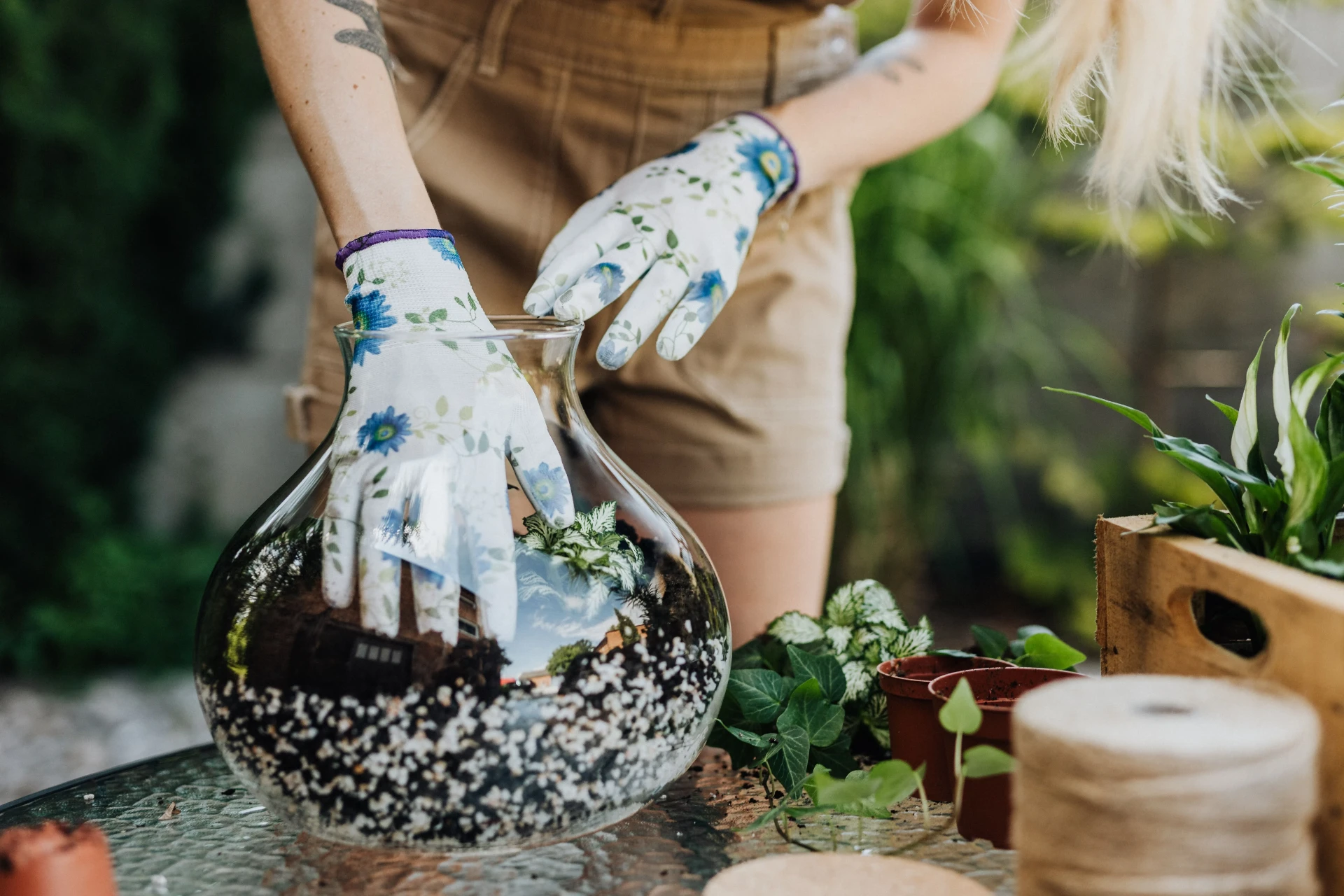
Learn the correct terrarium layer order, what drainage, mesh, charcoal and substrate actually do, and which layers are optional for a closed terrarium.
10 min readpublished
Build & Substrate
Best Terrarium Substrate Mix for Closed Terrariums
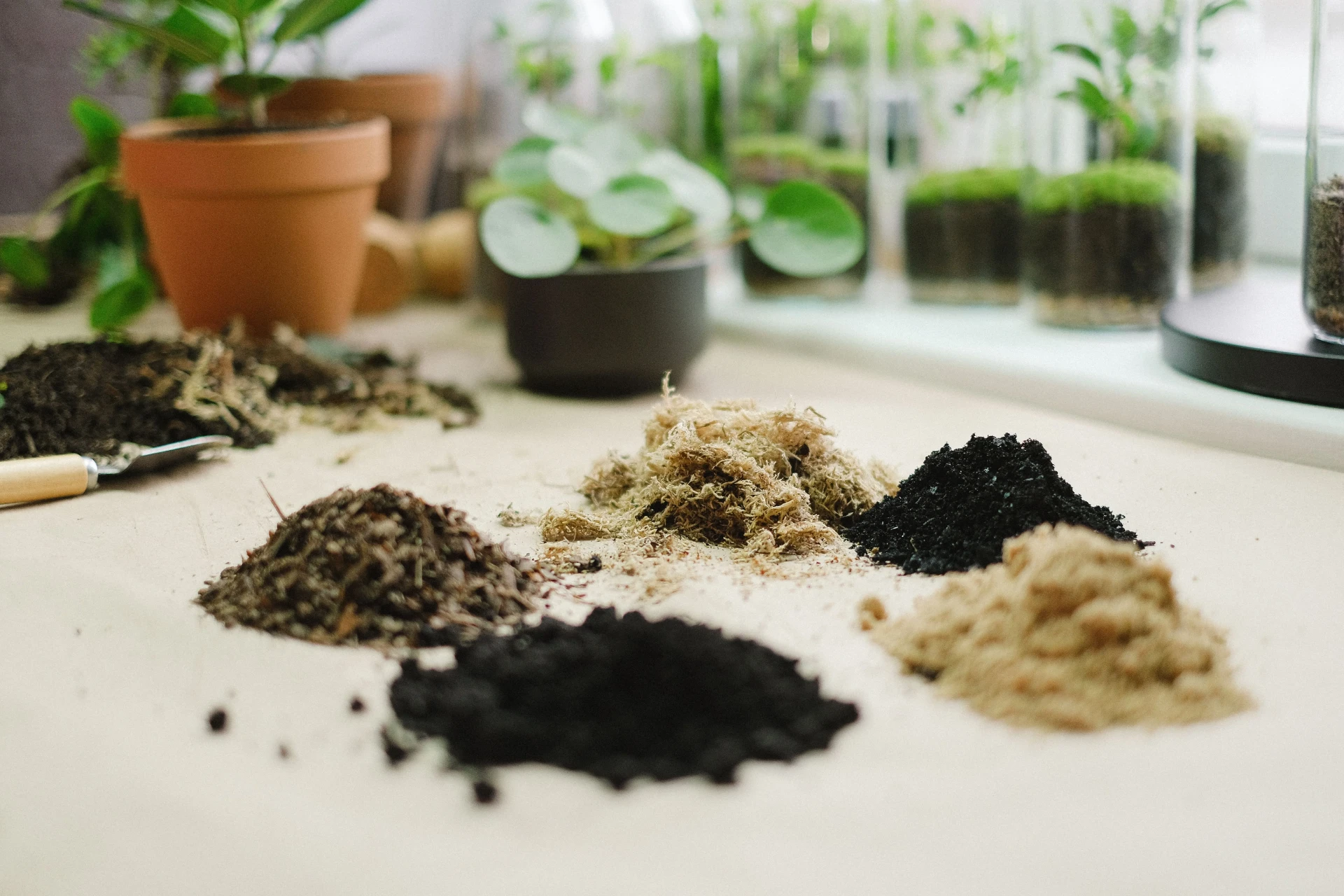
Learn what a closed-terrarium substrate actually needs to do, a simple beginner recipe, how ABG-style mixes work, and which ingredients are optional.
13 min readpublished
Build & Substrate
LECA vs Gravel for Terrarium Drainage: Which Is Better?
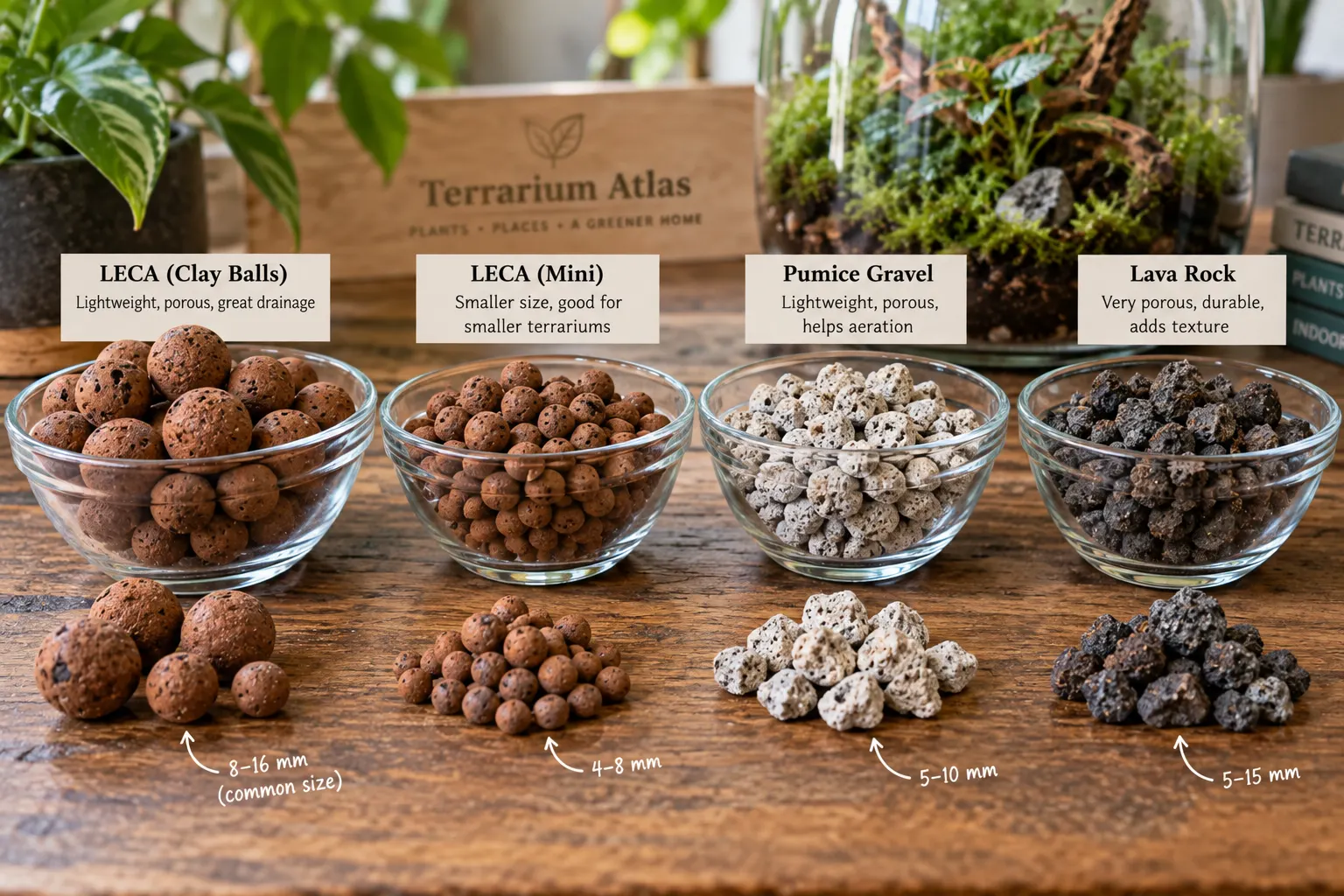
LECA is lighter and porous; gravel is simple and widely available. Compare both—and learn why neither one makes overwatering safe.
10 min readpublished
Build Your First Terrarium With Confidence
Get the free Closed Terrarium Quick-Start Checklist.
Newsletter coming soon