Build & Substrate
How to Build a Terrarium in a Glass Jar
A low-cost build using a standard kitchen jar, step by step.
Overview
This article has not been written yet. The layout below shows the components an editor can use: body typography, tables, callouts, product modules and an FAQ block.
What you'll need
Placeholder list of materials and preparation notes.
- A suitable glass container with a lid
- Drainage material and substrate
- Humidity-tolerant plants and live moss
| Option | Best for | Watch out for |
|---|---|---|
| Option A | First builds | Placeholder consideration |
| Option B | Larger vessels | Placeholder consideration |
| Option C | Narrow openings | Placeholder consideration |
Step by step
Placeholder body copy describing the build or care sequence in order.
Common mistakes
Placeholder body copy covering the failure modes readers hit most often.
Recommended gear
Placeholder framing for the recommendation below.
Related guides
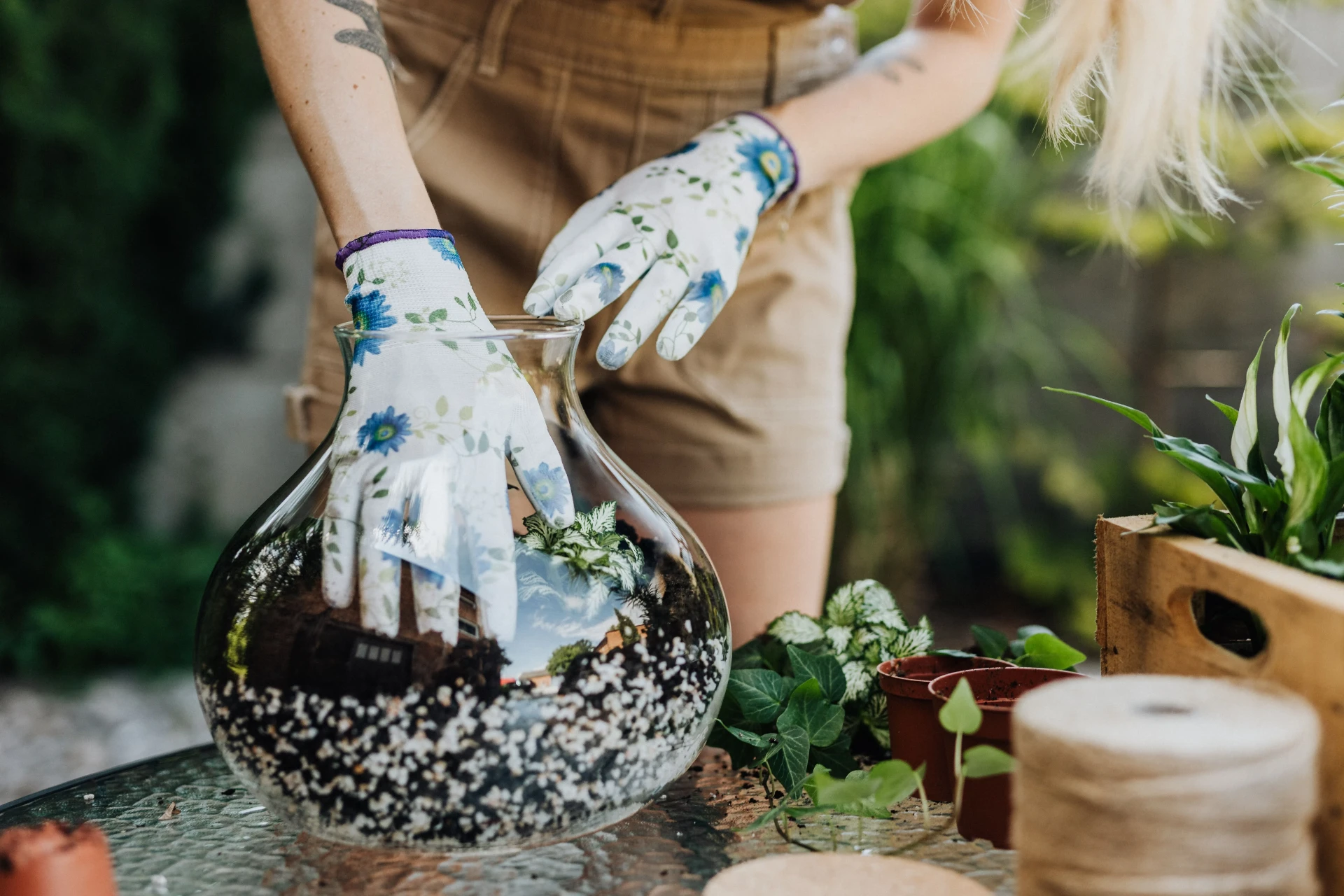
Build & Substrate
Terrarium Layers Explained: The Correct Order and What Each Layer Does
Learn the correct terrarium layer order, what drainage, mesh, charcoal and substrate actually do, and which layers are optional for a closed terrarium.
10 min readpublished
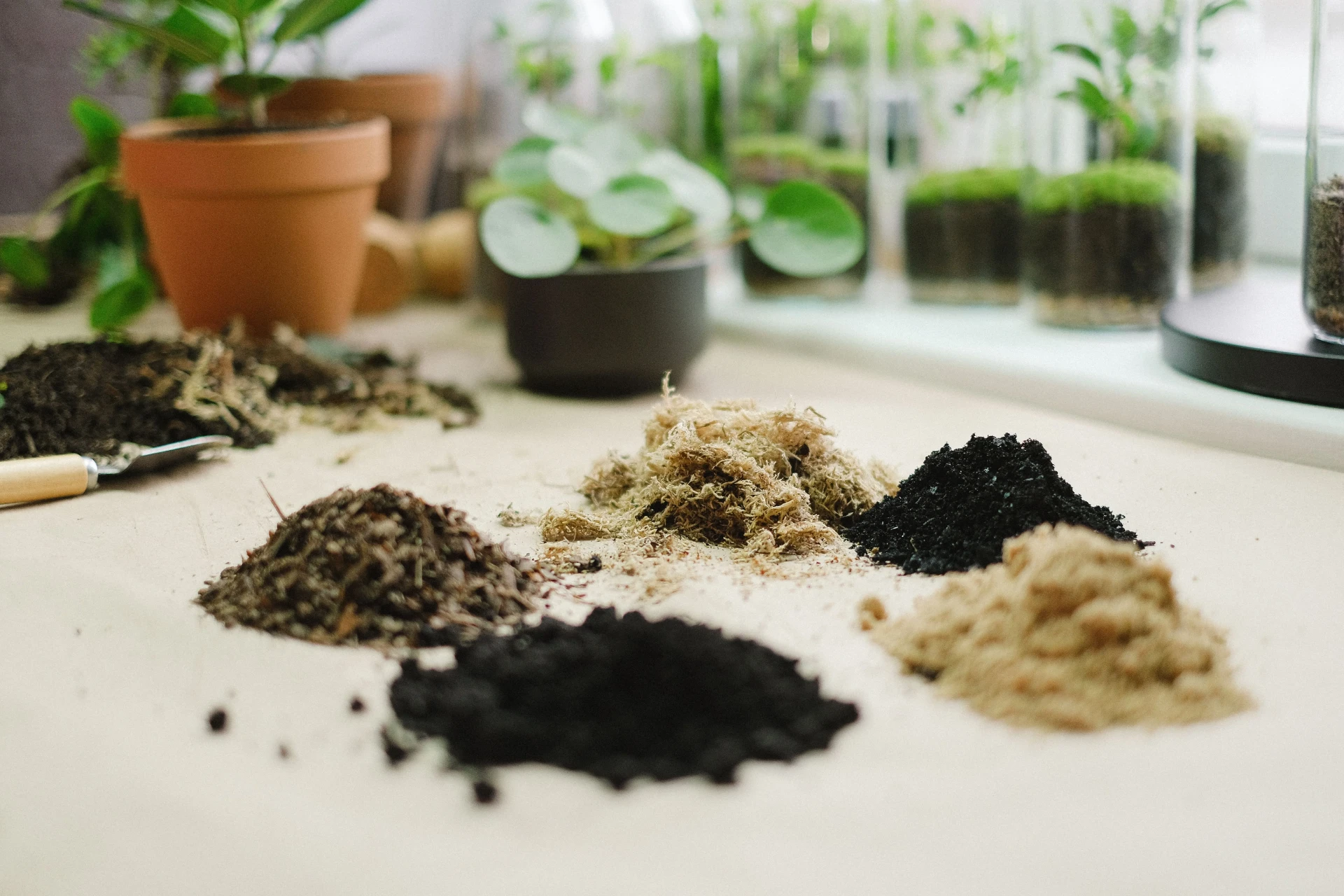
Build & Substrate
Best Terrarium Substrate Mix for Closed Terrariums
Learn what a closed-terrarium substrate actually needs to do, a simple beginner recipe, how ABG-style mixes work, and which ingredients are optional.
13 min readpublished
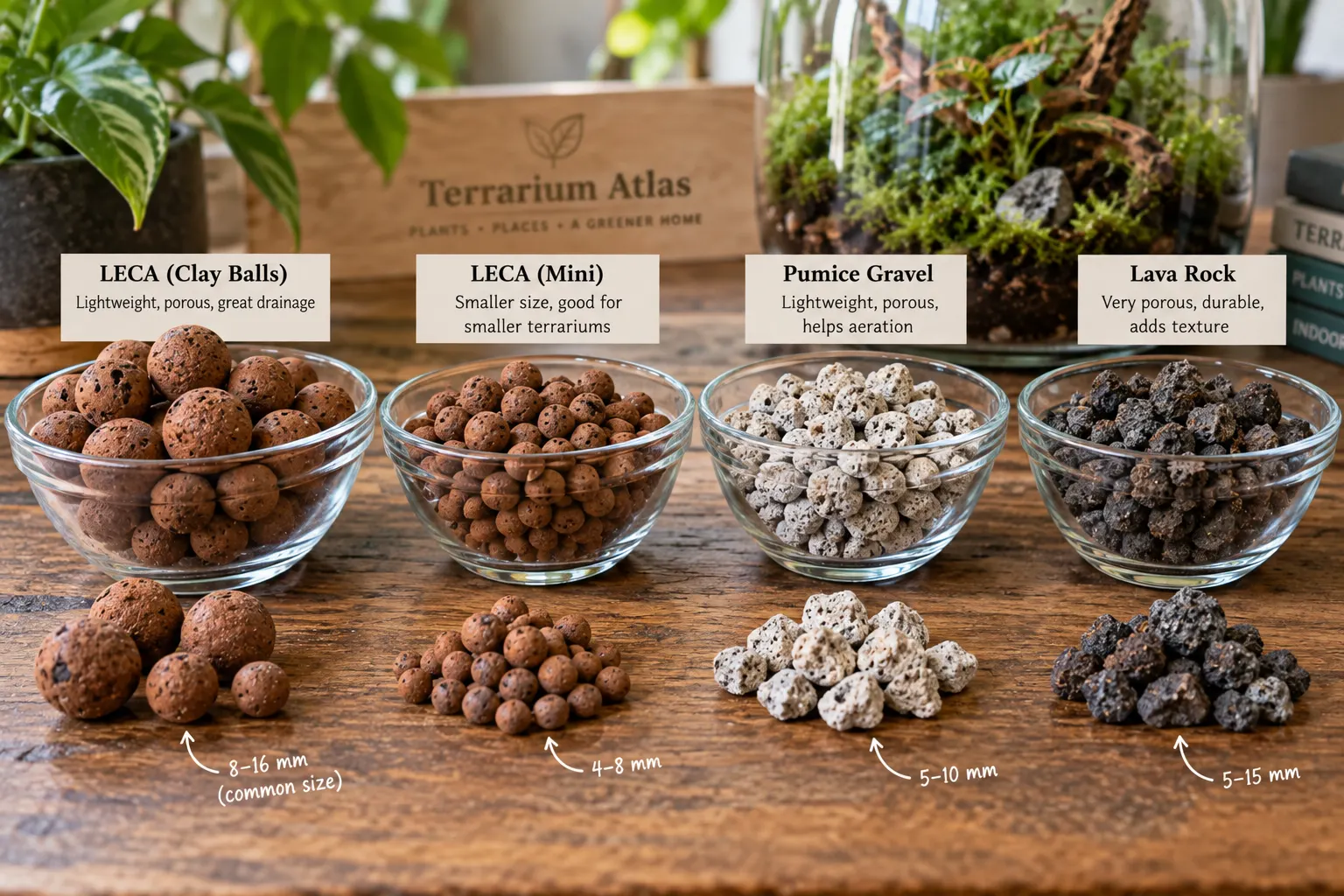
Build & Substrate
LECA vs Gravel for Terrarium Drainage: Which Is Better?
LECA is lighter and porous; gravel is simple and widely available. Compare both—and learn why neither one makes overwatering safe.
10 min readpublished
Build Your First Terrarium With Confidence
Get the free Closed Terrarium Quick-Start Checklist.
Newsletter coming soon